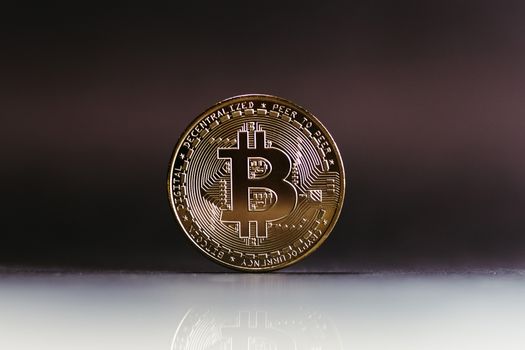
As the world of digital finance continues to expand, digital wallets have become central to how people manage money, pay bills, shop online, and even interact with cryptocurrencies. In 2024, the landscape of digital wallets is more diverse than ever, offering a variety of solutions tailored to different needs. But with this variety comes the challenge of choosing the right type of wallet. Each digital wallet type—ranging from mobile wallets and web-based wallets to hardware and decentralized wallets—offers its own set of advantages and disadvantages. Understanding these pros and cons is crucial for both individuals and businesses looking to optimize convenience, security, and financial control.
Understanding the Main Types of Digital Wallets in 2024
Before diving into the advantages and disadvantages, it’s helpful to clarify what’s available on the market in 2024. Digital wallets, broadly speaking, are software-based systems that safely store payment information, credentials, and sometimes digital assets. Four main types dominate the current landscape:
1. Mobile Wallets: These are apps installed directly on smartphones, such as Apple Pay, Google Wallet, and Samsung Pay. 2. Web-Based Wallets: These wallets operate within web browsers and are accessible via desktop or mobile, including PayPal, Skrill, and some online banking wallets. 3. Hardware Wallets: Physical devices that store digital asset (primarily cryptocurrency) keys offline, such as Ledger and Trezor. 4. Decentralized Wallets: Wallets that give users complete control of their private keys and often interact with blockchain networks directly. Examples include MetaMask and Trust Wallet.Each type caters to different user profiles and transaction needs. According to a 2023 Statista report, over 2.8 billion people worldwide use digital wallets for everyday transactions, a figure projected to reach 4.2 billion by 2026. This explosive growth is fueled by the unique strengths—and challenges—of each wallet type.
.png)
The Advantages of Mobile Wallets in Day-to-Day Life
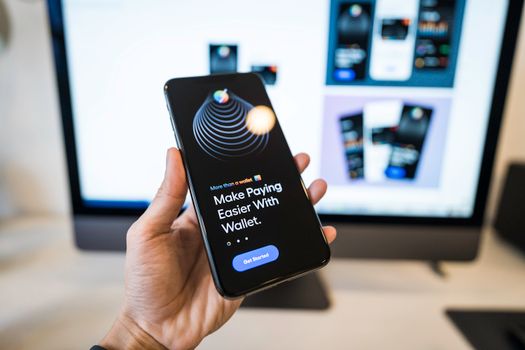
Mobile wallets have surged in popularity thanks to their sheer convenience and integration with daily routines. In 2024, nearly 60% of smartphone users in developed countries have at least one mobile wallet app installed. Here are some key advantages:
- Seamless Payments: Mobile wallets allow users to pay in-store, online, or in-app with just a tap or scan. NFC (Near Field Communication) technology, used by services like Apple Pay and Google Pay, enables contactless payments at millions of retail locations worldwide. - Security Features: Leading mobile wallets include biometric authentication (such as fingerprint or facial recognition), two-factor authentication, and tokenization, reducing the risk of card data theft. According to Visa, tokenization has reduced fraud in mobile payments by over 35% since its mainstream adoption. - Loyalty and Integration: Many mobile wallets integrate with loyalty programs, transit passes, and event tickets, creating a one-stop shop for digital life. - Real-Time Tracking: Users can view transaction histories, receive instant notifications, and set spending limits directly from their mobile devices.However, mobile wallets do rely on the security of the smartphone itself. If a device is lost or compromised, there’s a risk—albeit minimized by strong authentication protocols.
Web-Based Wallets: Accessibility vs. Security Concerns
Web-based wallets remain a favorite for online shoppers and those who manage funds across multiple platforms. Services like PayPal, Skrill, and Revolut offer fast account setup and wide merchant acceptance. Here are their main advantages:
- Universal Acceptance: With PayPal accepted by over 30 million merchants worldwide, web-based wallets make online purchases frictionless. - Cross-Platform Access: Users can log in from any device with a browser, making funds accessible during travel or from public computers. - Speed of Setup: Registering for a web-based wallet often takes just minutes, requiring only basic personal information. - Multi-Currency Support: Many web wallets, such as Wise (formerly TransferWise), allow users to hold and transfer funds in dozens of currencies, ideal for global travelers and freelancers.Yet, the biggest disadvantages stem from security and privacy. Web-based wallets are more susceptible to phishing attacks and data breaches compared to hardware wallets. According to IBM’s 2023 Cost of a Data Breach Report, the financial industry saw an average breach cost of $5.9 million, with web-based wallets often being prime targets due to their centralized storage of sensitive information.
Hardware Wallets: The Gold Standard for Cryptocurrency Security
As cryptocurrency adoption accelerates, hardware wallets have become essential tools for securing digital assets. These devices, which store private keys offline, are considered the most secure form of crypto wallet.
- Offline Storage: By keeping keys offline, hardware wallets like Ledger Nano X and Trezor Model T are immune to most online attacks. - Multi-Currency Support: Most hardware wallets support dozens, sometimes hundreds, of cryptocurrencies and tokens. - Portability: Small and easy to store, these devices are ideal for long-term investors and those concerned with maximum security.However, there are significant drawbacks:
- Cost: Hardware wallets range from $60 to $250, making them less accessible for casual users. - Usability: They require physical access and some technical knowledge, which can be daunting for beginners. - Risk of Loss: If the device or recovery phrase is lost and not properly backed up, funds can be irretrievably lost. In 2022 alone, an estimated $140 million in Bitcoin was lost due to misplaced or forgotten hardware wallets.Decentralized Wallets: Control and Autonomy Come with Responsibility
Decentralized wallets, such as MetaMask or Trust Wallet, interact directly with blockchain networks and give users complete control over their private keys. This autonomy has made them popular amid growing concerns about privacy and censorship.
- Full Ownership: Users hold their private keys, ensuring no third party can freeze or access their funds. - Direct Blockchain Interaction: Decentralized wallets enable participation in decentralized finance (DeFi), NFT marketplaces, and token swaps. - Open Source: Many decentralized wallets are open-source, allowing for transparency and community-driven improvements.But with greater control comes greater risk:
- No Recovery Options: If a user forgets their private key or recovery phrase, there is no “forgot password” option. According to Chainalysis, roughly 20% of all Bitcoin is permanently inaccessible due to lost credentials. - Security Knowledge Required: Users must be aware of phishing, malware, and scams. In 2023, over $3 billion in crypto assets were stolen due to wallet-related scams and compromised private keys. - Limited Merchant Acceptance: Decentralized wallets are rarely accepted for direct payments outside the crypto ecosystem.Comparing Digital Wallet Types: Key Advantages and Disadvantages
The following table provides a snapshot comparison of the main digital wallet types, highlighting their core strengths and weaknesses:
| Wallet Type | Main Advantages | Main Disadvantages | Best For |
|---|---|---|---|
| Mobile Wallet | Convenience, biometric security, integrated loyalty | Reliant on device security, potential app vulnerabilities | Everyday payments, on-the-go users |
| Web-Based Wallet | Cross-platform access, wide acceptance, easy setup | Centralized risks, susceptible to phishing/data breaches | Online shoppers, freelancers, travelers |
| Hardware Wallet | Top-level security, offline storage, supports many assets | Costly, risk of device loss, less user-friendly | Crypto investors, security-conscious users |
| Decentralized Wallet | Full control, privacy, access to DeFi/NFTs | No recovery if keys lost, requires technical knowledge | Crypto enthusiasts, privacy advocates |
Making the Right Choice: Factors to Consider in 2024
Choosing the appropriate digital wallet type depends on several personal and professional factors:
1. Security Needs: If you prioritize asset security above all, especially for cryptocurrencies, hardware wallets are usually the best choice. For regular payments, mobile wallets offer robust, user-friendly security. 2. Frequency and Type of Use: Frequent shoppers and travelers may benefit most from web-based wallets due to their universal acceptance and multi-currency options. For those deeply involved in DeFi or NFTs, decentralized wallets are essential. 3. Cost and Accessibility: Mobile and web-based wallets are often free, while hardware wallets come with an upfront cost. Consider your budget and willingness to invest in additional hardware. 4. Technical Comfort: If you are comfortable handling private keys and blockchain interfaces, decentralized wallets offer unmatched control. For those less tech-savvy, mobile and web-based options are easier to manage.As the digital wallet ecosystem matures, hybrid solutions are emerging. Some platforms now blend features of multiple wallet types, such as offering both a user-friendly mobile interface and optional hardware wallet integration for added security.
Final Thoughts on the Advantages and Disadvantages of Digital Wallets
In 2024, the variety of digital wallets means there’s a solution for almost every kind of user, from the casual shopper to the seasoned crypto investor. Mobile wallets excel in everyday convenience but depend on device security. Web-based wallets make online transactions easy, yet can be vulnerable to centralized breaches. Hardware wallets offer the highest level of security for digital assets but require careful handling and investment. Decentralized wallets empower users with full control but come with the responsibility of managing security themselves.
Ultimately, the best digital wallet is the one that aligns with your financial habits, risk tolerance, and technical skills. As the digital economy grows, understanding the pros and cons of each wallet type will help you make safer, smarter choices—today and in the future.