Digital wallets have quickly become a cornerstone of modern finance, allowing millions to make payments, manage budgets, and store cards with a tap on their smartphones. But beyond convenience and speed, digital wallets are quietly making waves in the world of sustainability. As environmental concerns intensify and businesses look for greener solutions, digital wallets are emerging as powerful tools to reduce waste, support eco-friendly initiatives, and drive more sustainable behavior across society.
This article explores the multifaceted ways digital wallets support sustainability and ecological initiatives. From slashing paper waste to enabling green rewards, these innovations are reshaping how we interact with money and our planet.
Cutting Down on Paper and Plastic Waste
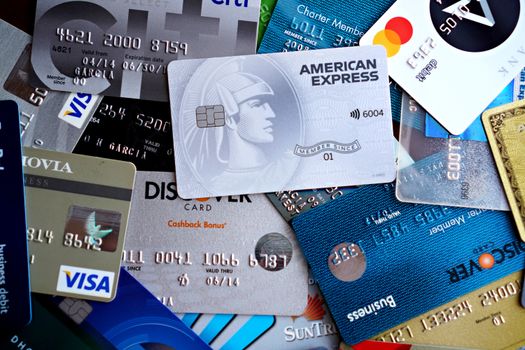
One of the most direct environmental benefits of digital wallets is the dramatic reduction in paper and plastic waste. Traditional financial systems rely heavily on physical materials: think of the plastic in credit and debit cards, the paper for receipts, tickets, and even cash itself.
.png)
According to the Nilson Report, over 6 billion payment cards are produced annually worldwide. Meanwhile, the Environmental Protection Agency (EPA) estimates that Americans alone use over 640,000 tons of paper for receipts each year. Most of these receipts are unrecyclable due to chemical coatings, contributing to landfill waste and environmental pollution.
Digital wallets, including Apple Pay, Google Pay, and Samsung Wallet, eliminate much of this waste:
- $1 Users store multiple cards on a single device, reducing demand for physical cards and the resources needed to manufacture them. - $1 Many retailers now offer digital receipts sent directly to the wallet or via email, cutting paper consumption. - $1 Transit systems, airlines, and event venues have moved to mobile ticketing, saving millions of paper tickets annually.In 2022, the city of New York reported that switching to mobile ticketing on its MTA system helped reduce paper ticket printing by 32%, saving an estimated 12 million paper tickets in one year.
Empowering Green Consumer Choices
Digital wallets are not just about storage and payment—they’re increasingly a platform for encouraging greener behavior. By leveraging data and integrations, these wallets can nudge consumers toward more sustainable choices:
- $1 Some digital wallets now offer features that estimate the carbon footprint of your purchases. Swedish fintech Doconomy, for example, partners with banks to provide carbon impact calculations for every transaction, allowing consumers to see the environmental cost of their spending in real time. - $1 Wallet apps can spotlight businesses with strong environmental credentials, making it easier for users to patronize green brands. - $1 Many digital wallets allow users to round up purchases and donate the spare change to environmental causes or purchase carbon offsets with a few taps.These features are more than just incentives; they are changing the way people think about the environmental impact of their daily financial decisions. A 2023 Mastercard study revealed that 62% of consumers would switch to a brand that offers a carbon calculator in their payment app.
Facilitating Sustainable Rewards and Loyalty Programs
Traditionally, loyalty programs have focused on discounts, points, and perks—often encouraging excess consumption. Digital wallets are helping to shift this paradigm by enabling eco-friendly rewards and sustainable loyalty schemes.
Many major wallet providers and banks now partner with environmental organizations to offer green rewards:
- $1 Some cards linked to digital wallets automatically fund tree planting projects when you reach spending milestones. - $1 Users may earn discounts on eco-friendly products or services, such as reusable goods or green energy providers. - $1 Instead of receiving cash back, users can opt to have their rewards donated to charity.Below is a comparison of traditional vs. sustainable loyalty programs:
| Feature | Traditional Loyalty Program | Sustainable Loyalty Program via Digital Wallet |
|---|---|---|
| Reward Type | Points, cash back, merchandise | Eco-donations, carbon offsets, green product discounts |
| Impact | Increased consumption | Positive environmental contributions |
| Convenience | Physical cards, vouchers | Instant redemption via app |
| Awareness | Focus on spending | Education about sustainability |
This shift aligns with a growing trend: in 2023, NielsenIQ reported that 73% of global consumers are willing to change consumption habits to reduce environmental impact, and digital wallets are helping bridge the gap between intention and action.
Streamlining Sustainable Mobility and Travel
Transportation is a significant contributor to carbon emissions, accounting for roughly 24% of global CO2 emissions according to the International Energy Agency (IEA). Digital wallets play a critical role in promoting greener mobility through:
- $1 Many cities now allow riders to pay for subway, bus, or train fares directly from their digital wallets. This reduces reliance on single-use paper tickets and plastic transit cards. - $1 Digital wallets make it effortless to unlock and pay for shared bikes and e-scooters, encouraging low-carbon transportation. - $1 Airlines and travel providers increasingly integrate carbon offset purchases into wallet-based bookings, making it easy for travelers to mitigate their footprint.For example, the London Underground’s adoption of contactless payments led to a 24% increase in mobile wallet transactions in 2022, with a corresponding decline in the issuance of plastic Oyster cards.
Supporting Transparency and Traceability in Green Spending
Sustainability often hinges on transparency—consumers want to know where their money goes and what impact it has. Digital wallets are uniquely positioned to provide this clarity:
- $1 Users can track and categorize their spending, helping them monitor progress toward personal sustainability goals. - $1 Some wallets verify merchants’ environmental claims, so users can trust that their purchases support legitimate green initiatives. - $1 Certain digital wallets, especially those built on blockchain, offer immutable records for charitable giving and carbon offsets, reducing fraud and ensuring that funds reach their intended causes.These advances build trust and make it easier for consumers to align their financial habits with their ecological values.
Driving Corporate Accountability and Green Innovation
It’s not just individuals who benefit—digital wallets are pushing businesses to adopt more sustainable practices as well. Companies are increasingly aware that eco-conscious consumers are using digital wallets to support brands with strong environmental commitments.
- $1 Businesses can use wallet data to assess and report on the carbon footprint of their supply chains and operations. - $1 Some payment processors now use renewable energy to power their data centers, further reducing the carbon impact of digital transactions. - $1 Wallet providers may collaborate with third-party organizations to certify merchants who meet stringent sustainability criteria.For example, Stripe Climate, a digital payment processor, allows businesses to direct a portion of their revenue to carbon removal projects—an initiative that has raised over $15 million since its 2020 launch.
Final Thoughts: The Sustainable Promise of Digital Wallets
The rapid adoption of digital wallets is not just a technological leap; it’s an ecological opportunity. By eliminating unnecessary waste, encouraging greener spending, and fostering transparency, digital wallets are emerging as powerful allies in the fight for a more sustainable future.
As digital wallets continue to evolve, expect even deeper integrations with environmental data, smarter carbon offset options, and more creative ways to make everyday spending a force for ecological good. The journey to a greener world is complex, but digital wallets are helping us take meaningful steps—one tap at a time.