The Dawn of Digital Assets: Exploring Non-Fungible Tokens
As the digital world expands at a breakneck pace, our understanding of value, ownership, and creativity is being redefined. One of the most significant breakthroughs of the last decade is the rise of non-fungible tokens (NFTs). These unique digital assets are transforming the way we buy, sell, and interact with digital content—ushering in a new era of value exchange that touches art, entertainment, gaming, sports, and even intellectual property. In this article, we’ll explore the world of NFTs, examine their mechanics, survey their impact across industries, and consider both their promise and challenges for the future.
What Are Non-Fungible Tokens? Understanding the Basics
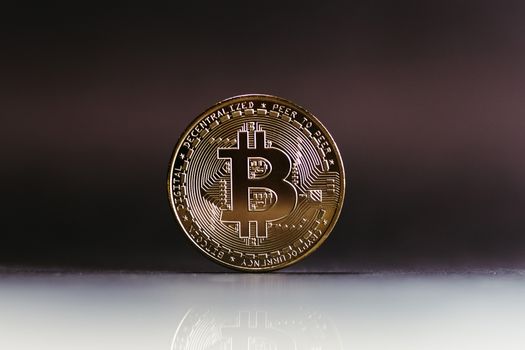
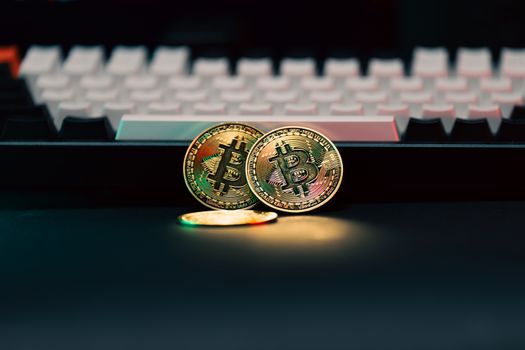
At its core, a non-fungible token (NFT) is a digital certificate of ownership stored on a blockchain, the decentralized ledger technology that also underpins cryptocurrencies like Bitcoin and Ethereum. Unlike cryptocurrencies, which are fungible (one Bitcoin is always equal to another), NFTs are unique. Each token represents a distinct item or piece of content, and cannot be traded on a one-to-one basis with another NFT.
NFTs use blockchain technology—most commonly the Ethereum blockchain—to provide transparency and verifiable proof of authenticity. This makes it possible to buy, sell, and own digital items such as art, music, videos, virtual real estate, and collectibles in a way that was previously impossible.
.png) Three key facts about NFTs:
1. The NFT market surpassed $25 billion in trading volume in 2021, according to DappRadar.
2. The most expensive NFT sold to date is Beeple’s digital artwork "Everydays: The First 5000 Days," which fetched $69.3 million at a Christie’s auction in March 2021.
3. NFTs are indivisible, meaning you cannot split one NFT into smaller parts as you can with cryptocurrencies.
Three key facts about NFTs:
1. The NFT market surpassed $25 billion in trading volume in 2021, according to DappRadar.
2. The most expensive NFT sold to date is Beeple’s digital artwork "Everydays: The First 5000 Days," which fetched $69.3 million at a Christie’s auction in March 2021.
3. NFTs are indivisible, meaning you cannot split one NFT into smaller parts as you can with cryptocurrencies.
How NFTs Work: The Technology Behind the Tokens
NFTs are minted, or created, using smart contracts—self-executing code that lives on a blockchain. Smart contracts define the uniqueness of each token and ensure that certain rules are enforced, such as royalty payments to creators each time an NFT is resold.
Each NFT contains metadata that describes its attributes, such as the creator, ownership history, and a link to the digital file it represents. However, the actual digital asset (like a high-resolution image or video) is often stored off-chain due to blockchain storage limitations. Instead, the NFT acts as a pointer to that file and serves as proof of ownership.
The most common standards for NFTs are: - ERC-721: Introduced in 2018, this is the original Ethereum standard for NFTs. - ERC-1155: Allows for both fungible and non-fungible tokens, increasing efficiency for some use cases.NFTs can be bought, sold, and traded on specialized marketplaces such as OpenSea, Rarible, and NBA Top Shot. Transactions are transparent and publicly verifiable, reducing the risk of fraud and counterfeit goods that plague traditional collectibles markets.
NFT Use Cases: Beyond Digital Art and Collectibles
While NFTs initially gained fame in the world of digital art, their underlying technology has far-reaching applications across multiple industries. Here are some real-world examples illustrating the versatility of NFTs:
Digital Art: NFT art sales exploded in 2021, with artists like Beeple, Pak, and XCOPY achieving multi-million-dollar sales. The blockchain’s transparent ledger allows artists to receive royalties from secondary sales—something rarely possible in traditional art markets.
Gaming: In blockchain-based games like Axie Infinity and The Sandbox, NFTs represent characters, weapons, land, and other in-game assets. Players can own, trade, and even monetize these items outside of the game’s ecosystem. Axie Infinity alone generated over $4 billion in player-to-player transactions by early 2022.
Music: Musicians such as Kings of Leon and Grimes have released albums and exclusive content as NFTs, giving them direct access to fans and new revenue models. In March 2021, 3LAU sold $11.6 million worth of NFT albums in a single weekend.
Sports: Platforms like NBA Top Shot allow fans to buy, sell, and trade officially licensed video highlights as NFTs. By early 2022, NBA Top Shot had facilitated over $1 billion in sales and created a new way for fans to engage with their favorite sports moments.
Identity and Credentials: NFTs are being explored as a way to issue digital diplomas, certificates, and even proof of attendance at events, leveraging the blockchain’s immutability to prevent forgery.
Intellectual Property and Licensing: Companies are experimenting with NFTs to represent patents, trademarks, and licenses, enabling fractional ownership and more efficient rights management.
NFTs Versus Traditional Collectibles: A Comparative Overview
NFTs have often been compared to traditional collectibles such as trading cards, stamps, and rare coins. While both have value based on rarity and desirability, NFTs offer several features that set them apart from their physical counterparts. The table below highlights some key differences:
| Aspect | Traditional Collectibles | Non-Fungible Tokens (NFTs) |
|---|---|---|
| Authenticity Verification | Requires appraisers, can be forged | Blockchain-based, verifiable and immutable |
| Ownership Transfer | Physical handover, shipping required | Instantaneous, digital transfer on blockchain |
| Market Access | Often local, limited by geography | Global, 24/7 online marketplaces |
| Royalties for Creators | Rare, difficult to enforce | Automatic through smart contracts |
| Storage & Preservation | Physical storage, risk of damage/loss | Digital, no physical storage required |
| Liquidity | Variable, often illiquid | High, with active trading platforms |
Challenges and Criticisms: The Other Side of NFTs
Despite their meteoric rise, NFTs are not without controversy. Several challenges and criticisms have surfaced as the technology matures:
Environmental Concerns: Most NFTs are minted on the Ethereum blockchain, which (as of 2021) used a proof-of-work consensus mechanism. This process is energy-intensive, with estimates suggesting that a single NFT transaction could consume as much electricity as an average household uses in several days. However, Ethereum’s 2022 upgrade to proof-of-stake has significantly reduced its energy consumption by over 99%, addressing some of these concerns.
Speculation and Volatility: The NFT market has been characterized by dramatic price swings and speculative buying. According to NonFungible.com, NFT sales volume dropped by over 90% in the months following its 2021 peak, leading to concerns about market sustainability and the risk of bubbles.
Intellectual Property Issues: Cases of copyright infringement have emerged, with some NFTs being minted and sold without the consent of original creators. The decentralized nature of NFT marketplaces makes enforcement of rights challenging.
Digital Permanence: While blockchains are permanent, the digital files linked to NFTs are often stored off-chain. If these files are lost or the hosting service goes offline, the NFT may become effectively worthless.
Usability and Accessibility: NFTs require a certain level of technical knowledge and access to cryptocurrency wallets, which can be a barrier to mainstream adoption.
The Future of NFTs: Opportunities on the Horizon
Despite the challenges, the NFT ecosystem is rapidly evolving, with innovations aimed at addressing its weaknesses and expanding its possibilities. Key trends to watch include:
Mainstream Adoption: Major brands like Nike, Adidas, and Coca-Cola have launched NFT initiatives, signaling growing acceptance in mainstream culture. In 2023, Starbucks introduced NFT-based loyalty programs, and ticketing companies are exploring NFT-based event access.
Interoperability: Projects are underway to make NFTs usable across different blockchains and platforms, enhancing their utility and value.
Fractional Ownership: Solutions are emerging that allow NFTs to be split into fractions, enabling group ownership and lowering the barrier to entry for high-value assets.
Real-World Integration: NFTs are being used to represent ownership of physical assets, from luxury watches to real estate, bridging the gap between the digital and physical worlds.
Regulation and Consumer Protection: Governments and industry bodies are beginning to explore regulatory frameworks that could enhance transparency, reduce fraud, and protect consumers in the NFT space.
Final Thoughts on the Dawn of Digital Assets and NFTs
Non-fungible tokens represent a paradigm shift in how we assign value, prove ownership, and interact with digital content. From revolutionizing the art world to creating new avenues for fan engagement and intellectual property management, NFTs are at the forefront of the digital asset revolution. While the road ahead is not without obstacles—ranging from regulatory uncertainty to technical challenges—the momentum behind NFTs suggests their potential is only beginning to be tapped. As technology, regulation, and consumer understanding evolve, NFTs may well become a cornerstone of the digital economy for years to come.