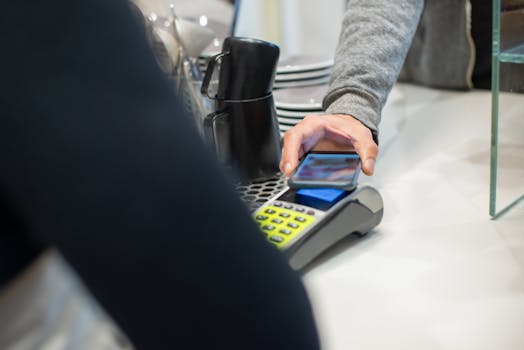
The rapid evolution of digital wallets is reshaping how we pay, manage money, and even prove our identities. From the earliest days of simple mobile payments, digital wallets have grown into sophisticated platforms integrating banking, loyalty management, cryptocurrencies, and more. As global adoption accelerates, the latest trends in digital wallets are not just about convenience, but also about new forms of value, security, and user empowerment. For anyone who spends, saves, or shops online—and that’s nearly everyone—understanding these trends is crucial. Let’s explore how digital wallets are evolving today and what these changes mean for users everywhere.
Expanding Beyond Payments: The Multi-Functional Digital Wallet
Digital wallets are no longer limited to storing credit card information for quick payments. According to a 2023 Juniper Research report, over 4.4 billion people worldwide used digital wallets, a figure projected to surpass 5.2 billion by 2026. This surge is driven in part by the expansion of wallet functionality.
Modern wallets now often include: - Loyalty and rewards program integration: Users can track points, receive personalized offers, and even redeem rewards directly. - Digital ID storage: Apple Wallet and Google Wallet already support driver’s licenses and student IDs in some regions. - Transit and ticketing: Digital wallets are being used for public transport, events, and boarding passes. - Crypto and digital asset management: Platforms like Coinbase Wallet and MetaMask allow users to hold cryptocurrencies and NFTs.This consolidation of services reduces wallet clutter and streamlines daily life. For users, it means fewer physical cards and less friction when accessing diverse services. The digital wallet is evolving into a one-stop hub for financial and personal credentials.
.png)
Security Innovations: Biometrics, Encryption, and Beyond
As digital wallets become more central to our lives, security has become an area of intense innovation. According to the Federal Trade Commission, losses from digital payment fraud in the U.S. exceeded $1.2 billion in 2022, highlighting the stakes.
To counter emerging threats, wallet providers are deploying advanced protections: - Biometric authentication: Fingerprint, facial recognition, and voice ID are now standard on most platforms. - On-device encryption: Sensitive data is encrypted and stored locally, rather than transmitted or kept on servers. - Tokenization: Payment details are replaced with unique digital tokens, reducing the risk of data theft during transactions. - Continuous authentication: Some apps use behavioral biometrics—such as typing patterns or device handling—to detect unauthorized access in real-time.These measures dramatically reduce the risk of fraud and identity theft. For users, the experience is becoming both safer and more seamless, with less reliance on passwords and PINs.
Cross-Border Payments: Breaking Down International Barriers
Traditionally, sending money across borders has been slow, expensive, and opaque, with fees averaging 6.25% globally (World Bank, Q1 2023). Digital wallets are addressing this pain point by leveraging new technologies and partnerships.
Key developments include: - Real-time settlement: Apps like PayPal, Wise, and Revolut now offer nearly instant international transfers. - Multi-currency wallets: Users can hold, convert, and spend in multiple currencies without changing apps or paying high forex fees. - Blockchain-powered transfers: Some wallets use blockchain rails to bypass traditional banking systems, reducing fees and increasing transparency.For migrant workers, travelers, and online shoppers, these advances mean faster, cheaper, and more predictable payments. Let’s compare traditional vs. digital wallet cross-border payments in the table below:
| Feature | Traditional Banks | Digital Wallets |
|---|---|---|
| Transfer Time | 1-5 business days | Instant to 1 day |
| Average Fee (%) | 6.25% | 1-3% |
| Currency Options | Limited, mostly major currencies | Multi-currency, including crypto |
| Transparency | Low (hidden fees) | High (clear upfront pricing) |
This shift is especially significant for the 281 million international migrants worldwide (United Nations, 2022), who send over $626 billion in remittances annually.
Open Banking and Interoperability: Connecting the Financial World
Another major trend shaping digital wallets is the rise of open banking and interoperability standards. Open banking refers to systems that allow users to securely share their financial data and initiate payments across multiple providers via APIs (Application Programming Interfaces).
Major impacts include: - Aggregated account management: Users can view and manage accounts from different banks and cards in one wallet. - Personalized financial services: Wallets can offer tailored insights, budgeting tools, and credit offers based on aggregated data. - Seamless payments: Users can initiate transactions from one wallet, regardless of where their accounts are held.Countries like the UK, Australia, and Brazil have led the way with regulatory frameworks, and the EU’s PSD2 directive has accelerated adoption across Europe. Meanwhile, in Asia and Africa, interoperability among mobile wallets is fostering financial inclusion by enabling peer-to-peer payments across platforms.
For users, open banking means more choice, better control over data, and a smoother financial experience.
The Rise of Embedded Finance: Wallets in Unexpected Places
Increasingly, digital wallets are showing up outside of traditional banking and payment apps. This trend, known as embedded finance, sees financial services integrated directly into non-financial apps and platforms.
Examples include: - Ride-sharing apps like Uber and Grab now offer in-app wallets for payments, loyalty, and even microloans. - Social media platforms such as WeChat and Facebook Messenger enable P2P payments and in-app purchases. - E-commerce marketplaces (e.g., Amazon Pay, Shopify’s Shop Pay) provide wallet features for faster checkout and customer retention.This integration is powered by APIs and white-label wallet solutions. According to McKinsey, embedded finance is expected to generate over $230 billion in revenue by 2025, up from $22.5 billion in 2020.
For users, this means the line between “banking” and daily digital life is blurring. Payments, rewards, and even investments can happen wherever people spend time online, reducing friction and expanding access.
Sustainability and Digital Inclusion: Making Wallets Work for All
As digital wallets become ubiquitous, two parallel trends are shaping their future: sustainability and digital inclusion.
1. Sustainability: Digital wallets reduce the need for physical cards and printed receipts, lowering plastic waste and paper consumption. Visa estimates that going digital could save up to 1.3 million trees and 18,000 tons of plastic annually if just half of U.S. payments moved to mobile wallets. 2. Digital Inclusion: Globally, over 1.4 billion adults remain unbanked (World Bank, 2021), many of whom do have access to mobile phones. Digital wallets, especially in emerging markets, are bridging this gap by enabling secure, affordable financial access without a traditional bank account. In Kenya, for example, M-Pesa has brought mobile money services to over 50 million users, transforming local economies and empowering women entrepreneurs.For the average user, these trends mean that digital wallets aren’t just about convenience—they’re also tools for social and environmental good.
What Evolving Digital Wallet Trends Mean for Everyday Users
The digital wallet revolution is ushering in a new era of convenience, security, and choice. For users, the implications are multifaceted:
- Greater Control: With multi-functional wallets, users can manage payments, IDs, loyalty programs, and even crypto assets in one place. - Enhanced Security: Biometric authentication and encryption mean safer transactions and reduced fraud risk. - Global Reach: Cross-border payments are becoming faster, cheaper, and more transparent, benefitting travelers, migrants, and online shoppers alike. - Personalized Experiences: Open banking and embedded finance enable tailored financial services and seamless payments wherever users go. - Positive Impact: As wallets go digital, they support sustainability and financial inclusion, making money management accessible to more people.The future of digital wallets is not just about replacing your leather billfold—it’s about transforming how we interact with the digital economy itself.