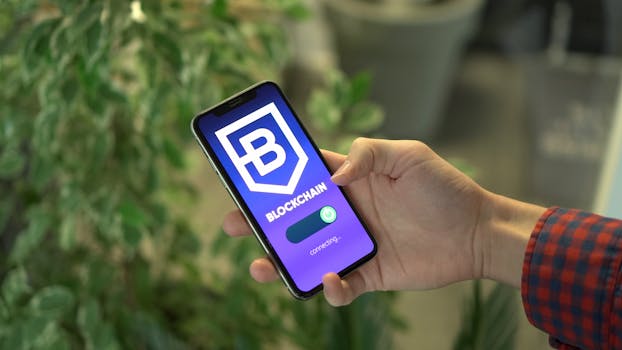
Mobile digital wallets have surged from niche convenience to essential daily tools, changing how people pay, save, and even prove their identity. In 2024, over 2.8 billion people worldwide actively use mobile wallets, accounting for more than half of all e-commerce transactions globally. But what’s next? The landscape of mobile digital wallets is shifting rapidly, with new features, technologies, and use cases emerging that go far beyond simple tap-to-pay.
This article explores the latest trends shaping mobile digital wallets, highlighting innovations that are redefining the future of payments, personal finance, and digital identification. From biometric authentication to super apps and cross-border payments, let’s dive into what’s driving the next evolution of mobile wallets.
Biometric Security: Raising the Bar for User Protection
Security remains a top concern for mobile wallet users and providers alike. In 2024, biometric authentication is becoming the gold standard for securing digital wallets. According to Juniper Research, over 90% of smartphones shipped in 2023 included biometric hardware like fingerprint sensors or facial recognition cameras, making biometric logins the default for most new wallet apps.
.png)
Biometrics offer a layered approach to security, combining something you have (your device) with something you are (your fingerprint or face). This trend is driven by:
- $1 Traditional PINs and passwords are more vulnerable to phishing and data breaches. - $1 Biometrics allow for quick, frictionless access, appealing to users who value both security and speed. - $1 In Europe, PSD2’s Strong Customer Authentication mandates multi-factor authentication for payments, making biometrics a natural fit.Major wallets like Apple Pay, Google Wallet, and Samsung Pay now require biometric authentication for most transactions. In Asia, Alipay and WeChat Pay use facial recognition for everything from payments to loan applications. By 2025, it’s expected that biometric authentication will be used in over 80% of mobile wallet transactions globally.
Super Apps: One Wallet to Rule Them All
The rise of "super apps" is transforming the mobile wallet experience, especially across Asia and emerging markets. A super app bundles multiple services—payments, banking, shopping, ride-hailing, food delivery, and more—into a single seamless platform. Instead of juggling several apps, users can access nearly every aspect of daily life from one digital wallet.
Key super app examples include:
- $1 Over 1.2 billion users use WeChat not just for messaging, but also for payments, investing, travel bookings, and government services. - $1 With 450 million users, Paytm combines payments, banking, insurance, gaming, and ticketing. - $1 Starting as a ride-hailing app, Grab now offers GrabPay for payments, lending, and food delivery across eight countries.The super app model is spreading globally. In Latin America, Mercado Pago integrates shopping, payments, and credit services. In the US and Europe, companies like PayPal and Revolut are evolving into super apps by adding features like crypto trading, budgeting tools, and loyalty rewards.
Why are super apps so popular? - $1 Everything is in one place, reducing app fatigue. - $1 Users can earn rewards, access promotions, and move money seamlessly between services. - $1 Super apps leverage vast data sets to tailor offers and streamline experiences.According to a 2023 Deloitte report, the global super app market is projected to grow at a CAGR of 24.3% from 2023 to 2030, with transaction volumes reaching $1.2 trillion annually by the end of the decade.
Digital IDs and Beyond: Mobile Wallets as Personal Credential Hubs
Mobile wallets are no longer just for payments—they’re increasingly becoming digital credential wallets. In 2024, several countries are rolling out official digital IDs, driver's licenses, and even vaccine certificates directly within mobile wallet apps.
- $1 now supports digital IDs in select U.S. states, allowing users to present their government-issued ID at airports and retail stores. - $1 is slated for launch in 2024, giving European citizens access to a secure digital identity usable across member states for banking, healthcare, and public services. - $1 integrates national ID, health records, and tax documents—all accessible from a mobile wallet app.These developments are reducing the need for physical documents, streamlining everything from airport security to opening a bank account. According to McKinsey, digital identity solutions could unlock economic value equivalent to 3–13% of GDP in emerging economies by 2030.
Beyond ID, mobile wallets are evolving to store: - $1 - $1 - $1 - $1This trend is expected to accelerate as governments and businesses seek secure, contactless ways to manage credentials in a digital world.
Contactless and QR Payments: Ubiquity and Interoperability
Contactless payments, fueled by the COVID-19 pandemic, have become the new normal. In 2023, global contactless payment transactions exceeded $5 trillion, according to Statista. Mobile wallets are leading this shift, enabling tap-to-pay via NFC (near-field communication) and QR code scanning for both in-person and remote transactions.
However, a major trend in 2024 is the push for interoperability—making sure different wallets, banks, and payment networks can work together seamlessly.
- $1 Over 8 billion monthly transactions, allowing dozens of wallets and banks to participate in the same ecosystem. - $1 Countries like Singapore and Thailand have introduced national QR standards, enabling any wallet to pay any merchant using a single, unified QR code. - $1 The Bank for International Settlements (BIS) is piloting projects to connect domestic payment systems, enabling cross-border QR payments between countries like Malaysia and Indonesia.These trends not only expand the usability of mobile wallets but also drive financial inclusion by making fast, low-cost payments available to more people.
Personal Finance Features: From Payments to Wealth Management
Modern mobile wallets are rapidly integrating personal finance tools, transforming from simple payment enablers into holistic money management platforms. According to a 2023 survey by Accenture, 65% of mobile wallet users want budgeting, savings, and investment features alongside payments.
Here’s how leading wallets are evolving:
- $1 Wallets like Google Wallet and Revolut offer real-time spending analysis, categorizing expenses and providing personalized financial insights. - $1 Some wallets round up purchases to the nearest dollar and automatically save the difference. Others let users set savings goals or earn interest on wallet balances. - $1 PayPal and Cash App now let users buy stocks and cryptocurrencies directly within their wallet apps. - $1 Digital wallets are adding “Buy Now, Pay Later” (BNPL) options, microloans, and instant credit lines, especially popular in markets like India and Brazil.The table below compares the personal finance features of leading mobile wallets:
| Mobile Wallet | Budgeting Tools | Investment Options | Credit/Loans | Savings Features |
|---|---|---|---|---|
| Apple Pay | Limited | None | Apple Card Financing | Apple Savings |
| Google Wallet | Yes | None | Limited | Round-up Savings |
| PayPal | Spending Insights | Stocks, Crypto | PayPal Credit, BNPL | Goal-based Savings |
| Revolut | Advanced Analytics | Stocks, Crypto, Commodities | Personal Loans | Vaults |
| Cash App | Limited | Stocks, Bitcoin | Cash App Borrow | None |
These features are making mobile wallets indispensable financial companions, especially for younger, digitally native consumers.
Sustainable Payments: Green Wallets and Eco-Friendly Initiatives
Sustainability is an emerging trend in mobile wallets. With consumers becoming more environmentally conscious, wallet providers are responding by integrating green features and promoting responsible consumption.
Some of the latest initiatives include:
- $1 Apps like Klarna and Bank of the West show users the estimated carbon footprint of their purchases, helping them make eco-friendlier choices. - $1 Reducing paper waste by offering digital receipts and loyalty cards within wallet apps. - $1 Some wallets enable “round-up” donations to environmental causes or allow users to offset their carbon footprint directly from the app. - $1 Eco-friendly rewards, such as planting trees or supporting green projects, are increasingly popular among wallet users.According to a 2023 Mastercard survey, 54% of global consumers say sustainability influences their payment choices, and mobile wallet providers are taking notice.
The Future of Mobile Digital Wallets: What to Expect Next
Mobile digital wallets are evolving at a breakneck pace, moving from simple payment tools to multifunctional platforms that touch nearly every aspect of daily life. As biometric security becomes universal, super apps dominate markets, and wallets expand to include digital IDs and personal finance management, the possibilities are multiplying.
Looking ahead, expect to see:
- $1 Seamless payments across borders, networks, and devices. - $1 Personalized financial advice, fraud detection, and smart investment recommendations. - $1 Using wallets to pay for everything from public transport to smart appliances. - $1 As wallets store more sensitive data, privacy protection and user control will be paramount.With mobile wallet usage projected to surpass 60% of the global population by 2027, these trends will shape not just the future of payments, but how we live, work, and interact in a digital-first world.