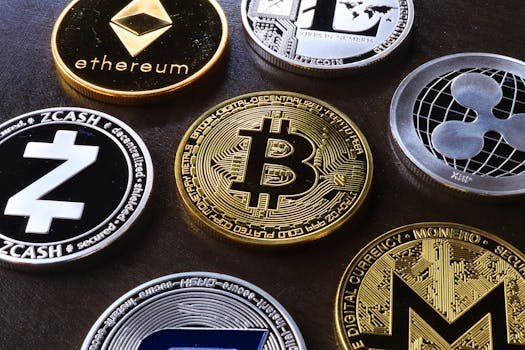
The rapid rise of cryptocurrencies has fundamentally changed how people store, send, and spend money online. With more than 420 million cryptocurrency users worldwide as of 2023 (Statista), digital wallets for cryptocurrencies have become essential tools in the modern financial landscape. But with dozens of wallet options available—ranging from hardware devices to mobile and web-based solutions—how do you choose the best digital wallet for your needs? In this comprehensive comparison, we’ll break down the types, features, security standards, and usability of leading crypto wallets, providing the facts and context you need to make an informed decision.
Understanding Cryptocurrency Wallets: Types and Functions
Cryptocurrency wallets are digital tools that allow users to store, manage, and transact with their crypto assets. Unlike traditional wallets, crypto wallets don’t actually hold coins; instead, they store the user’s private and public keys, which are used to access and control their cryptocurrencies on the blockchain.
There are several types of wallets, each offering a different balance of convenience and security:
.png) 1. Hardware Wallets: Physical devices (like Ledger Nano X or Trezor Model T) that store keys offline. They’re considered highly secure but require a purchase and physical access.
2. Software Wallets: Applications for desktop or mobile devices (such as Exodus or Trust Wallet), offering user-friendly interfaces and multi-currency support.
3. Web Wallets: Browser-based wallets (like MetaMask or Blockchain.com) that are accessible from any device with internet access.
4. Paper Wallets: Physical printouts of your public and private keys. They offer offline storage but are less practical for frequent transactions.
1. Hardware Wallets: Physical devices (like Ledger Nano X or Trezor Model T) that store keys offline. They’re considered highly secure but require a purchase and physical access.
2. Software Wallets: Applications for desktop or mobile devices (such as Exodus or Trust Wallet), offering user-friendly interfaces and multi-currency support.
3. Web Wallets: Browser-based wallets (like MetaMask or Blockchain.com) that are accessible from any device with internet access.
4. Paper Wallets: Physical printouts of your public and private keys. They offer offline storage but are less practical for frequent transactions.
Each type caters to different user profiles. For example, long-term investors (“HODLers”) may prefer hardware wallets due to their security, while active traders often choose software or web wallets for quick access and convenience.
Security Features: Protecting Your Digital Assets
Security is the most critical consideration when choosing a crypto wallet. According to Chainalysis, over $3.8 billion was stolen from crypto exchanges and wallets in 2022 through hacks and scams. The best wallets employ multiple layers of security to protect users’ assets.
Key security features to look for include:
- Two-Factor Authentication (2FA): Adds a layer of protection by requiring a secondary code. - Biometric Access: Uses fingerprint or facial recognition for access (common in mobile wallets). - PIN Codes and Passwords: Basic protection; the wallet should allow customizable codes. - Multi-Signature Support: Requires multiple approvals for transactions, ideal for groups or businesses. - Encrypted Backups: Ensures that your private keys are securely backed up in case of device loss. - Open Source Code: Wallets with publicly available code can be audited for vulnerabilities.Hardware wallets lead in security because they keep keys offline, minimizing exposure to online attacks. However, reputable software and web wallets now offer robust protection, such as encrypted private key storage and phishing detection.
Ease of Use and Accessibility: Which Wallets Are Most User-Friendly?
While security is essential, a wallet must also be easy to use—especially for those new to cryptocurrencies. A 2023 survey by Finder revealed that 36% of crypto owners cited “difficulty understanding wallets” as a major barrier to broader adoption.
User-friendliness is determined by:
- Interface Design: Intuitive navigation, clear instructions, and accessible features. - Multi-Platform Support: Availability on both mobile and desktop, as well as integration with major operating systems. - Customer Support: Responsive help channels and comprehensive FAQs. - Onboarding and Recovery: Simple processes for wallet setup, seed phrase backup, and account recovery.For instance, Trust Wallet and Exodus are known for their beginner-friendly design and smooth onboarding processes. MetaMask, while powerful, has a steeper learning curve due to its focus on decentralized applications (dApps) and Ethereum-based assets.