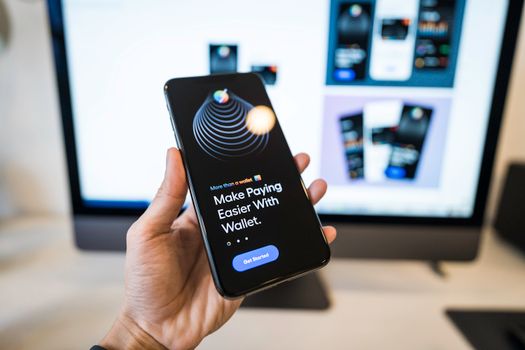
Digital wallets have become an essential part of modern life, offering convenience, security, and a host of innovative features that streamline everyday transactions. As consumer expectations evolve and technology advances, today’s digital wallets are far more than just repositories for payment cards—they are multifunctional platforms that enable seamless financial interactions, loyalty rewards, and even identity management. Let’s explore the key features that define a modern digital wallet for everyday use, why they matter, and how they compare to traditional payment methods.
The Evolution of Digital Wallets: From Simple Storage to Everyday Utility
The concept of a digital wallet was once limited to storing credit or debit card information for online shopping. However, rapid advancements in mobile technology, security protocols, and user experience have transformed digital wallets into comprehensive financial hubs. According to a 2023 Statista report, over 2.8 billion people worldwide used digital wallets for payments, with projections indicating more than 4.4 billion users by 2028.
These wallets now support contactless payments, peer-to-peer transfers, digital receipts, loyalty cards, transit passes, and even digital IDs. The growing adoption is fueled by the demand for frictionless transactions—40% of U.S. consumers reported using a mobile wallet at least once a week in 2023.
.png)
Seamless Contactless Payments and Multi-Channel Support
One of the most critical features of modern digital wallets is the ability to make fast, secure payments across multiple channels—whether in-store, online, or in-app. NFC (Near Field Communication) and QR code technology enable users to pay with a simple tap or scan, eliminating the need to carry physical cards or cash.
For example, Apple Pay, Google Wallet, and Samsung Wallet all support NFC-based payments at millions of retail locations worldwide. According to Juniper Research, contactless payments accounted for $4.6 trillion in transaction value globally in 2022, and this figure is expected to surpass $10 trillion by 2027.
Furthermore, many digital wallets now integrate with transit systems, allowing users to pay for subway, bus, or train rides directly from their phones. In cities like London and New York, digital wallet usage for public transportation has surged by 60% since 2021, making commuting more convenient.
Advanced Security Features: Biometric Authentication and Tokenization
Security remains a top priority for digital wallet users. Modern wallets employ several advanced features to protect sensitive financial information:
- $1 Most digital wallets now require fingerprint, facial recognition, or iris scan authentication for access and transactions. This adds an extra layer of security, reducing the risk of unauthorized use. - $1 Instead of transmitting actual card numbers during transactions, digital wallets use unique tokens. If intercepted, these tokens are useless to hackers, greatly minimizing the risk of fraud. - $1 Users receive instant notifications of any activity, allowing them to quickly identify suspicious transactions. Some wallets even let users lock or disable cards remotely if a device is lost or stolen.A 2024 survey by Deloitte found that 72% of consumers rated security features as the most important factor when choosing a digital wallet, surpassing even convenience.
Integrated Loyalty, Rewards, and Offers Management
Another key feature that distinguishes modern digital wallets is their ability to consolidate loyalty cards, rewards programs, and promotional offers. Instead of juggling multiple apps or physical cards, users can store and manage all their rewards in one place.
For instance, Google Wallet and PayPal both support the addition of loyalty cards from hundreds of retailers. Some wallets, like Stocard, specialize in digitizing and organizing loyalty programs, while others provide automatic tracking and redemption of points or coupons during checkout.
This integration drives significant value for consumers and businesses alike. According to Bond’s 2023 Loyalty Report, 77% of consumers said that having loyalty programs accessible in their digital wallet increased their likelihood of making repeat purchases.
Peer-to-Peer Payments and Bill Splitting
Social payment features have become a staple of modern digital wallets. Peer-to-peer (P2P) payments enable users to send or request money instantly from friends, family, or colleagues, often with just a phone number or email address. Bill-splitting tools make it easy to divide restaurant tabs, rent, or group expenses.
Popular wallets like Venmo, Cash App, and Zelle processed more than $1.1 trillion in P2P payments in the U.S. alone during 2023. These transactions are typically settled within minutes, making digital wallets a go-to solution for everyday financial interactions between individuals.
The convenience extends to group payments as well, with some wallets supporting shared wallets or expense tracking—ideal for roommates, travel groups, or family budgets.
Digital Identity, Tickets, and Document Storage
Beyond payments, digital wallets are increasingly used as secure vaults for personal identification and documentation. Modern wallets can store:
- Digital driver’s licenses and government-issued IDs (adopted in several U.S. states and EU countries) - Boarding passes and event tickets (integrated with airlines, concert venues, and transportation networks) - Health insurance cards and vaccination recordsThis digitization of documents reduces the need to carry physical credentials and streamlines check-in or verification processes. For example, the Transportation Security Administration (TSA) in the U.S. began accepting digital IDs at select airports in 2023, making air travel even more seamless.
Comparing Key Features: Modern Digital Wallets vs. Traditional Payment Methods
To better understand the unique advantages of modern digital wallets, let’s compare their features with those of traditional payment methods such as physical cards and cash.
| Feature | Modern Digital Wallet | Physical Cards/Cash |
|---|---|---|
| Contactless Payments | Supported via NFC and QR codes | Limited (only some cards support contactless; cash not applicable) |
| Security | Biometrics, tokenization, remote lock | PIN/signature, susceptible to loss/theft |
| Loyalty/Rewards Integration | Consolidated in-app, auto redemption | Separate cards or manual entry |
| Peer-to-Peer Payments | Instant P2P transfers, bill splitting | Cash exchange, bank transfer (slower) |
| Document Storage | Digital IDs, tickets, health cards | Physical documents required |
| Expense Tracking | Automatic, real-time notifications | Manual tracking required |
Personalization, Accessibility, and User Experience
Modern digital wallets are designed to cater to diverse user needs, offering customizable interfaces and accessibility features. Some of the most notable advancements include:
- $1 Users can arrange cards, rewards, and documents for quick access based on their preferences and usage patterns. - $1 Integration with voice assistants like Siri, Google Assistant, or Alexa enables hands-free payments and account management. - $1 Many digital wallets work across smartphones, smartwatches, tablets, and computers, ensuring continuity and convenience. - $1 Options like screen readers, large fonts, and high-contrast modes make digital wallets usable for individuals with visual impairments.According to a 2023 Pew Research Center study, 82% of smartphone users valued the ability to personalize their digital wallet experience, citing ease of use and faster access as primary benefits.
Why Key Features of Modern Digital Wallets Matter for Everyday Life
The proliferation of digital wallets is more than just a technological trend—it represents a fundamental shift in how we manage money, interact with businesses, and verify our identities. The key features outlined above contribute to:
- $1 By consolidating payments, rewards, IDs, and tickets, digital wallets minimize clutter and streamline everyday tasks. - $1 Biometric authentication and tokenization dramatically reduce the risks of fraud and identity theft. - $1 Real-time notifications and integrated expense tracking help users stay on top of their finances. - $1 Digital wallets empower users to participate in the digital economy, even in regions where traditional banking infrastructure is limited.As digital wallets continue to evolve, we can expect even more innovative features—such as AI-powered budgeting tools, interoperable wallets for global travel, and decentralized identity management—to become commonplace.