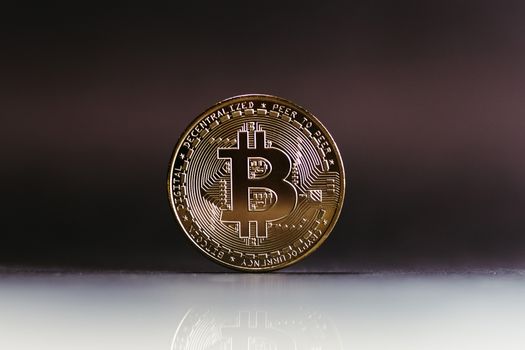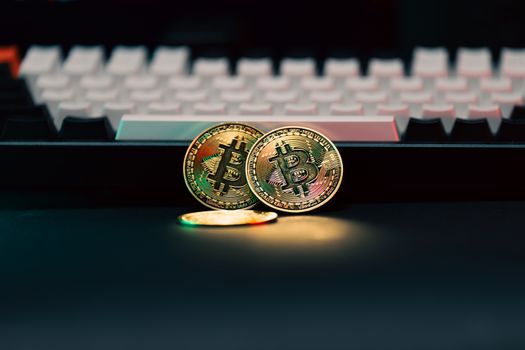
The gaming industry has undergone dramatic shifts over the last decade, from the rise of mobile gaming to the explosion of esports. But perhaps no change is as transformative as the integration of blockchain technology. More than just a buzzword, blockchain is fundamentally altering the landscape of gaming, empowering players with new forms of ownership, economic participation, and trustless collaboration. As of 2024, the blockchain gaming sector is valued at over $4.6 billion and is expected to grow at a compound annual growth rate of 68.3% through 2030. Let’s explore how blockchain is revolutionizing the gaming industry by reshaping value, security, and the very concept of play.
The Dawn of True Digital Ownership
One of the most profound impacts of blockchain in gaming is the creation of true digital ownership. Traditionally, in-game items, characters, and currencies are locked within a publisher’s database. Gamers might spend countless hours or real money acquiring rare skins or weapons, but these assets can be taken away, lost, or rendered worthless if the publisher shuts down the game.
Blockchain changes this model through the use of non-fungible tokens (NFTs) and decentralized ledgers. NFTs enable players to actually own their digital assets, which are stored on a blockchain and not controlled by any single company. These assets can be traded, sold, or used across compatible games, creating a player-driven economy.
.png)
For example, in the popular blockchain game Axie Infinity, players own creatures called Axies as NFTs. In 2021, a single Axie was sold for over $130,000. Similarly, in Decentraland, players can buy, sell, and build on virtual land parcels, each tracked as an NFT, with some plots fetching over $2 million at auction.
Play-to-Earn: Transforming Gaming Economics
Blockchain technology has given rise to the play-to-earn (P2E) model, where players earn real-world value through their in-game activities. Unlike traditional games, where rewards are limited to entertainment or cosmetic upgrades, blockchain games often distribute cryptocurrency or NFTs as rewards.
A prime example is the Philippines, where more than 700,000 people reportedly played Axie Infinity at the height of its popularity, with many earning more than the local minimum wage by breeding, battling, and trading Axies. Blockchain enables transparent tracking of earnings, secure payouts, and global interoperability of digital assets.
The table below compares traditional gaming and blockchain-powered play-to-earn models:
| Feature | Traditional Gaming | Blockchain Gaming |
|---|---|---|
| Ownership of Assets | Publisher-owned, non-transferable | User-owned, fully transferable (NFTs) |
| Monetization | Limited (streaming, tournaments) | Play-to-earn, direct asset sales, staking |
| Marketplace | Closed, publisher-controlled | Open, global, peer-to-peer |
| Interoperability | None (assets locked per game) | Cross-game (potential for shared assets) |
| Transparency | Opaque, centralized control | Transparent, recorded on blockchain |
Decentralized Game Development & Community Governance
Blockchain isn’t just changing how gamers interact with content—it’s also revolutionizing how games are created and governed. Decentralized Autonomous Organizations (DAOs) let communities of players and developers collaboratively manage game worlds, propose changes, and vote on major decisions using governance tokens.
Games like The Sandbox and Alien Worlds employ DAOs to empower their communities. In The Sandbox, holders of SAND tokens can vote on platform updates, funding proposals, and new features. This direct participation ensures that game development aligns with the interests of the actual player base, fostering a sense of ownership and engagement rarely seen in traditional game studios.
Additionally, blockchain-powered open-source protocols make it possible for anyone to build on top of existing games, create mods, or launch feature extensions that plug into a shared digital universe. This collaborative approach accelerates innovation and disrupts the traditional, top-down model of game publishing.
Improving Security and Fighting Fraud
The global gaming industry loses an estimated $10.2 billion annually to fraud, including account theft, item duplication, and illicit trading. Blockchain’s immutable ledgers and cryptographic verification provide a robust defense against these issues.
By recording asset ownership and transactions on a public blockchain, it becomes virtually impossible to forge items or conduct unauthorized transfers. Smart contracts—self-executing agreements coded on the blockchain—automate and enforce rules for trading, tournaments, and even storyline progression, removing the need for intermediaries and reducing the risk of manipulation.
For example, in the game Gods Unchained, each card is an NFT, ensuring that ownership and scarcity are provable and tamper-proof. This not only deters cheating, but also builds trust among players trading high-value items.
Cross-Game Interoperability: The Emerging Metaverse
One of the most ambitious visions enabled by blockchain is the creation of interoperable digital worlds—a metaverse where assets, identities, and currencies can move freely between games and platforms. This is made possible through standardized blockchain protocols and NFTs.
Imagine earning a rare sword in one game and using it in another, or carrying your avatar’s appearance across multiple virtual universes. While still in its early stages, projects like Enjin and Gala Games are pioneering cross-game compatibility, partnering with dozens of studios to build a seamless web of interconnected experiences.
This approach not only amplifies the value of digital assets but also blurs the lines between games, social networks, and even online workspaces. As of 2023, over 3,000 games have integrated some form of blockchain asset interoperability, and the trend is accelerating as more studios embrace open standards.
Regulatory and Scalability Challenges
Despite the promise, blockchain gaming faces significant challenges. Regulatory uncertainty looms over the use of cryptocurrencies and NFTs, with some countries banning or restricting these models due to concerns about money laundering or unregulated gambling.
Scalability is another hurdle. Popular blockchain games have at times struggled with network congestion, high transaction fees, and slow confirmation times. For example, during the 2021 Axie Infinity boom, Ethereum gas fees soared, making microtransactions prohibitively expensive for many players.
To address these issues, developers are adopting layer-2 solutions, sidechains, and more energy-efficient blockchains like Solana and Polygon. In 2023, Immutable X processed over 600,000 NFT trades per day at near-zero fees, demonstrating the progress being made on scalability.
The Future of Blockchain in Gaming: Next-Gen Experiences
The convergence of blockchain and gaming is still in its early days, but the trajectory is unmistakable. Major publishers like Ubisoft, Square Enix, and Atari are experimenting with blockchain features, and venture capital investment in blockchain gaming reached $2.5 billion in 2022 alone.
As technical and regulatory challenges are overcome, expect to see even deeper integration of blockchain into mainstream gaming. Upcoming trends include:
- AI-driven, procedurally generated NFT assets unique to each player - Cross-reality play, blending augmented reality (AR), virtual reality (VR), and blockchain - Decentralized esports platforms with transparent prize distribution - Blockchain-based in-game advertising and sponsorships, with direct payouts to playersWith over 3.2 billion gamers worldwide, even a modest shift toward blockchain-powered models could reshape the industry’s economic foundation and societal impact.