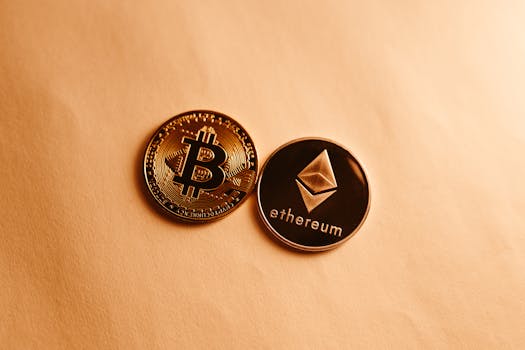
Cryptocurrency: A New Age Investment for Millennials
The past decade has witnessed a seismic shift in how young people approach personal finance and investment. At the forefront of this revolution is cryptocurrency—a digital asset class that’s captured the imagination of millions, especially millennials. Unlike their parents’ generation, millennials have come of age during a time of rapid technological advancement, economic uncertainty, and shifting societal norms. As traditional routes to wealth, like home ownership and stock market investments, seem increasingly out of reach, many have turned to cryptocurrencies as a new pathway to financial growth, empowerment, and innovation.
But why are millennials so drawn to crypto? What sets it apart from conventional investments? And is this enthusiasm justified or just another passing trend? Let’s delve into the unique relationship between cryptocurrency and the millennial generation, exploring the opportunities, risks, and the future of this digital asset class.
Why Millennials Are Embracing Cryptocurrency
Millennials, typically defined as those born between 1981 and 1996, are the largest living adult generation, representing over 72 million people in the United States alone. According to a 2021 survey by Pew Research, 49% of millennials said they were interested in cryptocurrency investments, compared to just 22% of baby boomers. Several factors explain this generational tilt toward crypto:
.png) 1. Digital Natives: Millennials grew up alongside the Internet, mobile technology, and social media. Their comfort with technology makes them more open to digital-first financial solutions like cryptocurrencies.
2. Distrust in Traditional Finance: The 2008 global financial crisis left lasting scars. Many millennials witnessed their families struggle, leading to skepticism toward banks and conventional investment vehicles.
3. Accessibility and Transparency: Cryptocurrencies are traded 24/7, require no broker, and have low barriers to entry. Blockchain technology offers unprecedented transparency, with every transaction recorded and publicly verifiable.
4. Potential for High Returns: Bitcoin, the first and largest cryptocurrency, has seen its price soar from under $1 in 2010 to over $60,000 at its 2021 peak—a story that has captivated risk-tolerant young investors.
5. Socioeconomic Factors: With student debt at an all-time high (over $1.7 trillion in the U.S. as of 2023) and housing affordability declining, millennials are motivated to seek alternative investments with the potential for outsized gains.
1. Digital Natives: Millennials grew up alongside the Internet, mobile technology, and social media. Their comfort with technology makes them more open to digital-first financial solutions like cryptocurrencies.
2. Distrust in Traditional Finance: The 2008 global financial crisis left lasting scars. Many millennials witnessed their families struggle, leading to skepticism toward banks and conventional investment vehicles.
3. Accessibility and Transparency: Cryptocurrencies are traded 24/7, require no broker, and have low barriers to entry. Blockchain technology offers unprecedented transparency, with every transaction recorded and publicly verifiable.
4. Potential for High Returns: Bitcoin, the first and largest cryptocurrency, has seen its price soar from under $1 in 2010 to over $60,000 at its 2021 peak—a story that has captivated risk-tolerant young investors.
5. Socioeconomic Factors: With student debt at an all-time high (over $1.7 trillion in the U.S. as of 2023) and housing affordability declining, millennials are motivated to seek alternative investments with the potential for outsized gains.
Crypto vs. Traditional Investments: How Do They Compare?
To better understand the cryptocurrency appeal, it’s helpful to compare it directly with more established investment vehicles—stocks, bonds, and real estate. Each has its own risk-reward profile, liquidity, and access requirements.
| Investment Type | Minimum Entry | Liquidity | Average Annual Return$1Returns are historical averages and not guaranteed. Cryptocurrencies are especially volatile, with potential for both substantial gains and significant losses.
This table highlights several core reasons why cryptocurrencies appeal to millennials: low entry barriers, high liquidity, and the allure of high returns. However, the extreme volatility also means higher risk—something every investor must weigh carefully. The Social and Cultural Dimensions of Crypto AdoptionCryptocurrency isn’t just a financial asset—it’s become a cultural touchstone for millennials. Unlike stocks or bonds, cryptocurrencies represent more than simple ownership; they embody a new philosophy about money, privacy, and personal empowerment. 1. Community-Driven Innovation: Online communities like Reddit’s r/CryptoCurrency, Twitter, and Discord groups play a key role in spreading knowledge and fostering a sense of belonging. More than 2.3 million users belong to r/CryptoCurrency as of 2024. 2. Decentralization and Autonomy: Millennials are drawn to the idea of controlling their own financial destiny without relying on banks or governments. Decentralized finance (DeFi) platforms enable peer-to-peer transactions, lending, and even earning interest—often with just a smartphone. 3. Social Responsibility: Many millennials value ethical and transparent investing. Cryptocurrencies with clear missions—such as those focused on sustainability or financial inclusion—often attract strong millennial followings. 4. FOMO and Social Proof: The viral success stories (and memes) of early Bitcoin adopters create a sense of urgency. According to a 2022 survey by CNBC, 43% of millennial crypto investors said they were motivated by fear of missing out (FOMO).Risks and Challenges: What Millennials Should Watch ForDespite the promise, cryptocurrencies are not without significant risks. Understanding these is vital for any investor, especially those new to the asset class. 1. Volatility: The price of Bitcoin, Ethereum, and other major coins can swing by double-digit percentages within hours. For example, Bitcoin dropped from $64,000 to under $30,000 in just three months in 2021. 2. Security and Scams: While blockchain is secure, crypto exchanges and wallets are frequent targets for hackers. In 2022, thefts from crypto platforms totaled $3.8 billion, according to Chainalysis. 3. Regulatory Uncertainty: Governments are still developing frameworks to regulate cryptocurrencies. Sudden policy changes, such as bans or new taxes, can impact prices and accessibility overnight. 4. Lack of Consumer Protections: Unlike banks, there is no FDIC insurance for crypto holdings. If an exchange fails or is hacked, users may lose their assets permanently. 5. Environmental Concerns: Bitcoin mining alone consumes more electricity annually than the entire country of Argentina, raising sustainability questions that are especially salient for eco-conscious millennials.Millennials Driving Crypto Innovation and AdoptionMillennials aren’t just passive investors—they’re active participants in shaping the future of crypto. Their involvement extends beyond buying and holding coins: 1. Startups and Entrepreneurship: Many crypto startups, from trading apps to DeFi protocols, are founded by millennials. In 2023, over 40% of new blockchain companies were led by entrepreneurs under 35, per Crunchbase data. 2. NFTs and Digital Ownership: Millennials are at the forefront of the NFT (non-fungible token) boom, using blockchain to buy, sell, and trade art, music, and virtual real estate. In 2021, 23% of millennials reported owning at least one NFT. 3. Advocacy and Education: Influential millennial thought leaders, such as Vitalik Buterin (co-founder of Ethereum) and crypto educators on YouTube and TikTok, drive adoption and demystify the technology for a wider audience. 4. Philanthropy: Crypto giving is on the rise, with platforms like The Giving Block reporting a 1,558% increase in crypto donations from 2020 to 2022, much of it driven by younger donors.The Future of Cryptocurrency as a Millennial InvestmentLooking ahead, the relationship between millennials and cryptocurrency is likely to deepen. Several trends point toward sustained growth: 1. Institutional Adoption: Major companies like PayPal, Tesla, and Visa now support cryptocurrencies, making use and acceptance more mainstream. 2. New Financial Products: The rise of crypto ETFs, savings accounts, lending platforms, and even retirement plans (401(k)s with crypto options) will make digital assets more accessible to the average investor. 3. Evolving Regulation: As governments develop clearer guidelines, investor protections should improve, reducing some of the current risks. 4. Technological Innovation: Layer-2 solutions, proof-of-stake blockchains, and “green” cryptocurrencies address concerns about speed and sustainability, making the sector more attractive to eco-conscious investors. 5. Global Impact: Cryptocurrencies are empowering people in emerging markets, offering alternatives to unstable local currencies and banking systems—an aspect that resonates with globally minded millennials.Key Takeaways: Cryptocurrency’s Place in the Millennial PortfolioFor millennials, cryptocurrency represents more than just another investment option. It is a symbol of technological progress, financial empowerment, and cultural change. While the potential rewards are significant, so are the risks. As with any investment, education, risk management, and a long-term perspective are essential. Whether as a small speculative play or a central part of their financial strategy, millennials are likely to remain at the heart of the cryptocurrency revolution in the years to come. As the market matures and new innovations emerge, their role as both investors and innovators will only grow stronger. FAQ Why are millennials more interested in cryptocurrency than older generations? Millennials are digital natives who value transparency, accessibility, and autonomy. Their experiences during the 2008 financial crisis fostered distrust in traditional finance, making them more open to alternative investments like crypto. What are the biggest risks for millennials investing in cryptocurrency? The primary risks include extreme price volatility, security threats (such as hacks), lack of regulatory clarity, and absence of consumer protections. Environmental impact is also a growing concern. Can cryptocurrencies help millennials achieve financial independence? Cryptocurrencies offer the potential for high returns and new financial tools. However, they also carry high risks. For most, crypto should be just one part of a diversified investment strategy. How do millennials typically buy and store cryptocurrencies? Most use digital exchanges like Coinbase, Binance, or Kraken to buy crypto, and store their assets in either online (hot) wallets or more secure hardware (cold) wallets. Are there any crypto investments tailored specifically for millennials? Yes. Several platforms offer beginner-friendly apps, education resources, and even crypto-based savings or retirement accounts designed with millennials in mind. Additionally, many DeFi (decentralized finance) projects target younger, tech-savvy users.
More from the archiveView full article archive →
firstedci.com
2024 Digital Wallet Innovations: AI, Super Apps & More Unveiled
firstedci.com
Securing Your Money: How Cybersecurity Shields Digital Wallets
firstedci.com
Exploring the Future of P2P Payments with Cryptocurrency Innovations
firstedci.com
Revolutionizing P2P Payments: How AI Boosts Speed, Security & Inclusion
firstedci.com
Revolutionizing Global Money Transfers: How Blockchain Enhances P2P Payments
firstedci.com
Mastering Security in P2P Payments: Trends, Threats, and Best Practices
firstedci.com
Digital Wallets: Revolutionizing Finance and Fostering Sustainability
firstedci.com
Revolutionizing Money: The Next Big Trends in P2P Payment Tech |
|---|