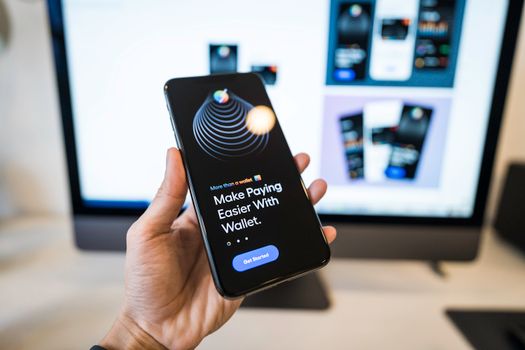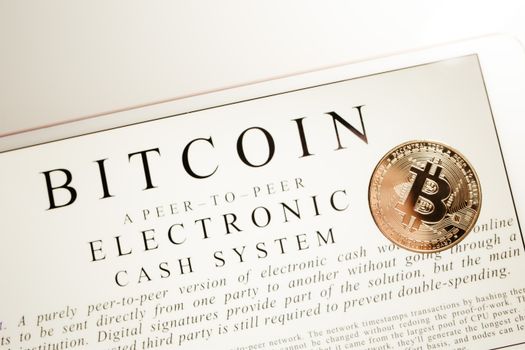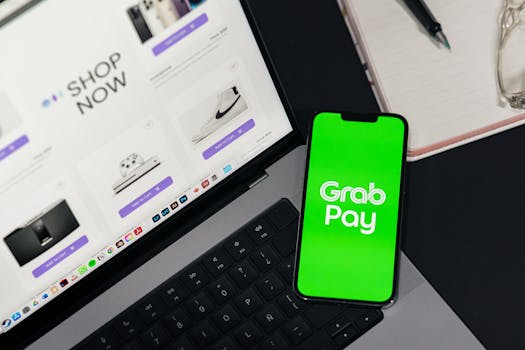
The world of online shopping has evolved rapidly in the last decade, fueled by technological breakthroughs and changing consumer expectations. At the heart of this transformation lies the rise of fintech digital wallets—apps and platforms that store payment information securely and enable swift, seamless financial transactions. These digital wallets, including familiar names like PayPal, Apple Pay, Google Wallet, and a growing roster of innovative fintech solutions, are fundamentally changing not just how we pay, but how we think about shopping online.
From streamlining the checkout process to enhancing security and unlocking new loyalty models, fintech digital wallets are shaping the future of e-commerce. But how exactly are these wallets revolutionizing our online shopping experience? Let’s explore the pivotal ways digital wallets are driving this change, the numbers behind their explosive growth, and what it all means for consumers and merchants alike.
The Rise of Digital Wallets: A New Era for Online Payments
Digital wallets are no longer a futuristic concept; they’re a mainstream reality. According to Statista, the global digital payments market was valued at over $8.49 trillion in 2022, with digital wallets accounting for more than 49% of global e-commerce transaction volume. In the United States alone, digital wallet usage for online purchases leaped from 38% in 2020 to 48% in 2023, and experts predict this figure will surpass 60% by 2026.
.png)
Unlike traditional payment methods, digital wallets store credit card, debit card, and sometimes even cryptocurrency information in a secure, encrypted format. Users simply tap, scan, or click to pay, eliminating the need to manually enter payment and shipping details with each transaction.
Several factors have fueled this meteoric rise:
- $1 With over 6.9 billion smartphone users worldwide, mobile devices are now the primary gateway for online shopping. Digital wallets are perfectly suited for mobile commerce, offering optimized, touch-friendly interfaces. - $1 Advanced encryption, biometric authentication (like Face ID or fingerprint scans), and tokenization make digital wallets more secure than typing card numbers into dozens of websites. - $1 COVID-19 created a surge in contactless payments, both in-store and online, propelling digital wallet adoption to new heights.How Digital Wallets Streamline the Online Shopping Experience
One of the most significant ways fintech digital wallets are changing online shopping is by removing friction from the checkout process. The “shopping cart abandonment rate”—the percentage of shoppers who leave without completing a purchase—remains stubbornly high, averaging 69.99% according to Baymard Institute. Complicated checkouts are a major culprit.
Digital wallets address this problem head-on by:
- $1 No more entering 16-digit card numbers or typing out addresses. A single tap or scan completes the transaction. - $1 Platforms like Amazon pioneered “1-Click” shopping, but digital wallets are democratizing this convenience across e-commerce sites of all sizes. - $1 Whether shopping via mobile app, desktop, or even voice assistant, digital wallets offer a consistent and speedy payment experience. - $1 Currency conversion and international payments are often handled automatically, simplifying cross-border shopping.The result is a smoother journey from browsing to buying. In fact, data from Worldpay’s 2023 Global Payments Report shows that e-commerce sites offering digital wallet payment options see up to 23% higher conversion rates than those that don’t.
Security Boosts for Shoppers and Merchants
Security is a top concern in online shopping, with cybercrime—especially payment fraud—on the rise. The Federal Trade Commission (FTC) reported that U.S. consumers lost over $8.8 billion to fraud in 2022, up 30% from the previous year. Digital wallets are making significant strides to combat this trend.
Here’s how they enhance security for both buyers and sellers:
- $1 Instead of transmitting actual card details, digital wallets use tokens—unique, one-time-use codes—to process each transaction. This means even if a hacker intercepts the data, it’s useless for future purchases. - $1 Requiring a fingerprint, face scan, or device PIN adds an extra layer of protection, making unauthorized transactions much harder. - $1 Many wallets require secondary verification for high-value or unusual transactions. - $1 Fintech companies leverage machine learning and AI to detect suspicious activity in real time, freezing or flagging transactions as needed.For merchants, reduced fraud liability and chargebacks translate into significant cost savings and fewer headaches. For shoppers, peace of mind is invaluable.
Unlocking Rewards, Loyalty, and Personalization
Fintech digital wallets are not just about payments—they’re evolving into platforms for personalized shopping experiences and rewards. In 2023, 64% of digital wallet users reported using their wallets to access loyalty programs, according to PYMNTS.com.
Key innovations include:
- $1 Wallets can automatically track points, apply discounts, and offer targeted promotions based on purchase history. - $1 Using data analytics, digital wallets deliver customized deals or cashback offers, increasing engagement and conversion. - $1 Users can store, manage, and redeem multiple gift cards within a single wallet, simplifying gift-giving and spending. - $1 Many digital wallets now feature BNPL options, allowing shoppers to split purchases into installments—an option used by 18% of U.S. online shoppers in 2023.As fintechs gather more data, these wallets can increasingly anticipate needs, from reminding you of expiring points to suggesting relevant products.
Comparison: Digital Wallets vs. Traditional Payment Methods
How do digital wallets stack up against traditional online payment methods like credit cards or bank transfers? The table below highlights key differences.
| Feature | Digital Wallets | Credit/Debit Cards | Bank Transfers |
|---|---|---|---|
| Speed of Checkout | Instant, one-tap/scan | Requires manual entry | Can take minutes or longer |
| Security | Biometric, tokenized, encrypted | Dependent on merchant security | Generally secure, but less convenient |
| Loyalty Integration | Yes, automatic tracking | Rare, mostly separate programs | No integration |
| Cross-Border Payments | Easy, often handles currency | Possible, fees may apply | Often slow, higher fees |
| Adoption Rate (2023, US) | 48% | 45% | 7% |
As the table shows, digital wallets are outpacing traditional methods in convenience, security, and added value, making them the preferred choice for modern shoppers.
Challenges and the Road Ahead for Digital Wallets
Despite their many advantages, fintech digital wallets face hurdles as they continue to reshape online commerce.
- $1 While wallet adoption is growing, some smaller retailers still don’t support digital wallet payments, often due to perceived complexity or fees. - $1 Not all wallets work seamlessly across all devices, apps, or countries, which can frustrate users. - $1 With greater data collection comes heightened concern over how personal information is used or shared. - $1 As digital wallets become more like banks, they face increasing regulatory scrutiny, especially around anti-money laundering (AML) and know-your-customer (KYC) requirements.Nonetheless, the trajectory is clear. Fintech innovators are already addressing these challenges through open payment standards, partnerships, and enhanced privacy controls. The global digital wallet market is projected to reach $16.2 trillion by 2028, according to Juniper Research, underscoring the massive potential ahead.
Digital Wallets and the Future of Online Shopping
The rise of fintech digital wallets has already transformed the way millions shop online, and the impact is only set to accelerate. By making payments faster, safer, and more personalized, digital wallets are setting new standards for convenience and customer satisfaction in e-commerce.
As artificial intelligence and blockchain technologies further integrate with digital wallets, we can expect even more innovation—from seamless cross-border shopping to frictionless returns and advanced identity protection. For consumers, this means more choice, security, and value. For merchants, embracing digital wallets is no longer optional but essential to stay competitive in a rapidly evolving marketplace.
Whether you’re a seasoned online shopper or a business owner wondering how to adapt, understanding the power and potential of fintech digital wallets is key to navigating the future of commerce.