P2P Payments: Revolutionizing Financial Transactions
Peer-to-peer (P2P) payment systems have significantly transformed the way we handle money, making it easier, faster, and more convenient to transfer funds directly between individuals. As financial technology continues to evolve, P2P payments are becoming increasingly popular, offering a viable alternative to traditional banking methods. This article explores the various approaches to P2P payments, their advantages and disadvantages, and practical examples of their use.
Understanding P2P Payment Systems
.png)
P2P payment systems allow individuals to send and receive money electronically without the need for intermediaries like banks. These transactions can be completed via mobile devices or computers, using various apps and services designed specifically for this purpose. The technology behind P2P payments includes mobile apps, internet banking, and digital wallets, which facilitate instant transfers with just a few taps or clicks.
Main Approaches to P2P Payments
Bank-Based Apps
Many banks have developed their own apps to facilitate P2P transactions among their customers. These apps are directly linked to a user's bank account, providing a secure and reliable way to manage transfers. Examples include Zelle, which is widely used in the United States and is supported by a network of major banks.
Advantages:
- Security: Transactions are protected by bank-level security measures.
- Speed: Transfers between accounts at the same bank can be instant.
- Convenience: Users can manage their finances and transactions within one app.
Disadvantages:
- Limited to bank customers: Usually, both the sender and receiver need to have an account with the bank.
- Potential fees: Some banks may charge for instant transfers or transactions to different banks.
Independent Payment Apps
Independent payment apps like PayPal, Venmo, and Cash App do not require users to be customers of specific banks. These platforms allow users to link their bank accounts or credit cards to facilitate transactions.
Advantages:
- Wider accessibility: Anyone with a bank account can use these services.
- Social features: Apps like Venmo allow users to share and like payments, which is appealing to younger users.
- Innovative features: Some apps offer additional services like cryptocurrency trading and special savings accounts.
Disadvantages:
- Fees: There can be fees for instant transfers, credit card usage, or sending money internationally.
- Privacy concerns: Transaction histories can be public depending on user settings in some apps.
Cryptocurrency-Based Solutions
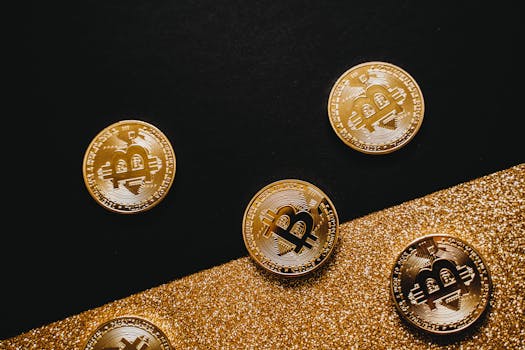
Cryptocurrencies such as Bitcoin and Ethereum have also introduced P2P payment solutions. These decentralized platforms offer a completely different approach to transferring value.
Advantages:
- Global reach: Cryptocurrencies are not bound by national borders, making international transfers easier.
- Lower fees: Often, the transaction fees are lower compared to traditional bank transfers.
- Privacy: Cryptocurrency transactions can offer more privacy than conventional bank transfers.
Disadvantages:
- Volatility: The value of cryptocurrencies can be highly volatile.
- Complexity: Understanding how to use cryptocurrencies can be a barrier for some users.
- Regulatory issues: Cryptocurrency regulations can vary significantly by country and can affect the use of crypto for payments.
Practical Examples of P2P Payment Usage
P2P payment systems have found a variety of uses in everyday life. For instance, they are commonly used to split bills among friends, pay for services, send gifts, and even pay rent. During the COVID-19 pandemic, the use of digital payments surged as people sought contactless ways to send and receive money.
Conclusion
P2P payment systems offer a range of solutions tailored to different needs and preferences. Whether it's the security of bank-based apps, the flexibility of independent payment apps, or the innovation of cryptocurrency solutions, these platforms are making financial transactions simpler and more accessible. As the technology advances, it is likely that more people will move away from traditional banking methods in favor of these convenient digital solutions.
For anyone looking to adopt a P2P payment method, it's important to consider what factors are most important, such as fees, security, ease of use, and the financial habits of your peers. Embracing P2P payments can not only streamline your financial transactions but also integrate you more fully into the modern digital economy. Choose the platform that best suits your needs and start simplifying your financial transactions today.