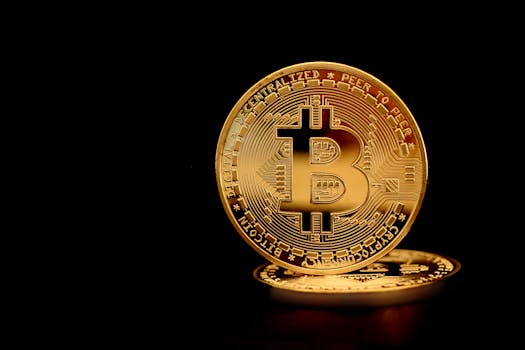
Decentralized finance, commonly known as DeFi, is a transformative approach to financial services that leverages blockchain technology to bypass traditional financial intermediaries. By operating on a decentralized network, DeFi allows for more open, flexible, and inclusive financial systems. This article will explore the workings, benefits, and potential pitfalls of DeFi, as well as highlight some practical examples of its application.
Understanding DeFi and Its Core Components
At its core, DeFi utilizes blockchain and cryptographic technologies to create a system where financial applications and services can run autonomously. These services are mainly powered by smart contracts—self-executing contracts with the terms directly written into code, which eliminate the need for traditional intermediaries such as banks.
.png)
Key Approaches in DeFi
- Lending Platforms: DeFi platforms like Aave and Compound offer environments where users can lend out their cryptocurrencies and earn interest, or borrow and pay interest, using dynamic rates adjusted by algorithms based on market conditions.
- Decentralized Exchanges (DEXs): Platforms such as Uniswap facilitate direct peer-to-peer trading of cryptocurrencies without the need for a central authority, enhancing privacy and reducing counterparty risks.
- Yield Farming and Liquidity Mining: This involves users staking or lending their cryptocurrency assets in exchange for rewards in the form of additional cryptocurrency or transaction fees from the platform.
Comparing the Advantages and Disadvantages
Advantages:
- Accessibility: Anyone with an internet connection can access DeFi services, regardless of geographic location or economic status.
- Transparency: Blockchain technology ensures that all transactions are recorded in a public ledger, promoting transparency and reducing fraud.
- Innovation: The open-source nature of blockchain technology fosters continuous innovation and development within the DeFi space.
Disadvantages:
- Complexity: The underlying technology of DeFi can be complex and daunting for those without a technical background.
- Security Risks: Despite the inherent security of blockchain, DeFi platforms can be prone to bugs and security vulnerabilities.
- Volatility: The value of cryptocurrencies can be highly volatile, which may influence the stability of DeFi services and the safety of investments.
Practical Examples
- MakerDAO: This protocol allows users to borrow the stablecoin DAI (which is pegged to the U.S. dollar) by using their Ethereum as collateral, thus mitigating the volatility associated with many cryptocurrencies.
- Uniswap: This decentralized exchange has changed the landscape of cryptocurrency trading by using liquidity pools instead of traditional order books, facilitating more efficient and decentralized trading.
Conclusion and Call to Action
DeFi presents a promising, albeit challenging, alternative to traditional financial systems by offering more accessible, transparent, and potentially more secure financial services. However, it also comes with its own set of risks and complexities. For those interested in DeFi, it is essential to conduct thorough research and start with cautious investments. As the ecosystem continues to evolve and improve in terms of user-friendliness and security, DeFi could become a significant component of the global financial system. Explore more about how you can engage with and benefit from the DeFi revolution to take part in shaping the future of finance.